An effective and stable WiFi signal has become essential in this digital age. It is crucial to ensure connectivity and efficiency. A key component in getting there is the precise positioning of the Wireless Access Point (WAP). It is crucial to position your WAP in a way that enhances quality and reliability of the WiFi signal. Let’s explore the importance of WAP devices and how to choose the best home access point for optimal wireless connectivity.
Wap Wireless Access Points are essential networking devices that allow wireless-enabled gadgets to join wired networks using WiFi as well as other standards. It plays a vital role in extending the range of your network, and removing the need for heavy wires. A WAP receives information from a router through an Ethernet cable, and converts the information into an radio signal. The signal is absorbed by WAPs, which allows them to connect to networks.
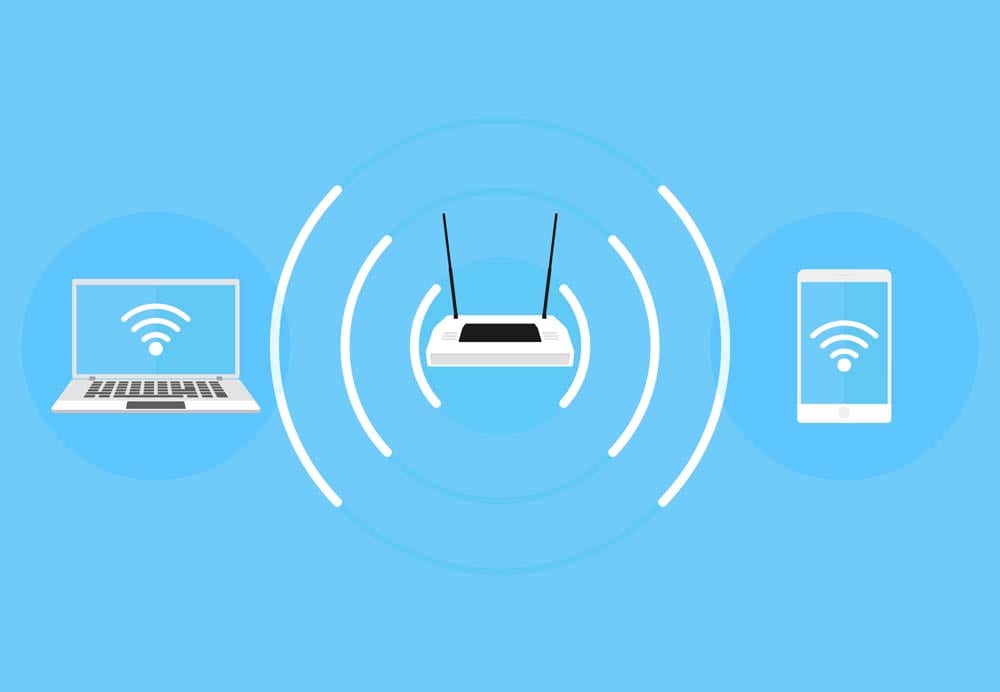
WAP Placement: The Impact
The strategic placement of a WAP is crucial to ensure that you have a stable and reliable WiFi signal across your area. The location of the WAP will affect the strength of the signal, as well as the extent of coverage, as well as the overall performance of the WiFi network. A WAP placed in an the optimal location will help reduce interference, increase coverage and enhance the user’s connectivity experience.
The factors that influence WAP signal strength
The signal that WAPs send to your device could be affected by a variety of factors. They include:
Signal strength: The power of the signal.
Range: Distance that WAP is able to send a strong and stable signal.
Interference: Obstacles and electronic devices that could interfere with the WiFi signal.
The Best Home Access Point
It is important to choose the correct WAP for your either your home or office for the best performance on WiFi. Here are some things to consider when choosing the right home access point:
Signal Strength and Range: Look for a WiFi that has strong signal strength and an extensive coverage range. This will guarantee that your WiFi signal is accessible in the area you want to access with no dead zones.
Interference Management: Pick the WAP that is equipped with technologies to limit interference. Dual-band or triple-band capabilities could be utilized to navigate WiFi channels that are jammed.
Easy Setup and Configuration – Choose a WAP which is simple to configure and install. Installation procedures that are simple and intuitive interfaces reduce time and energy.
Security Features: Select WAPs with security features like encryption protocols, security settings and security settings. This can help safeguard your data and network.
Scalability: Ensure the WAP can accommodate the number of devices you are planning to connect. A WAP that can be adaptable grows with your network demands and is a long-term investment.
Optimizing WAP Placement for Maximum Performance
Central Location: Set the WAP in the central location to ensure uniform distribution of WiFi across the area. This will reduce dead zones, and will ensure a consistent connection throughout the structure.
A higher elevation: Place the WAP in a higher spot such as a wall or ceiling. This helps in broadcasting the signal in a more efficient manner, resulting in improved coverage and minimizing obstructions.
Beware of Interference: Keep your WiFi clear of objects and materials that may cause interference. These include phones with cords, microwaves or metal structures. This will allow for an unobstructed and clear WiFi signal.
Professional Assessment: You may want to consult with IT experts to conduct a thorough analysis of your area. They can help you determine the most effective WAP sites based on specific requirements.
Also, you can read our conclusion.
In the world of evolving technology, having a robust WiFi connection is an absolute requirement. Wireless Access Points are essential in this regard, as they expand your network and provide an efficient WiFi connection. To ensure optimal WiFi performance, it is important to place your WAP in the most appropriate location and choose the most reliable wireless access point for your network.
The time and effort spent evaluating your space, understanding the factors that influence WAP signal strength, and understanding the fundamental characteristics of a WAP could make a significant difference. The potential of your WiFi network by gaining a thorough understanding of the art of and science behind WAP positioning.