Surface finishing has transformed from a labor intensive task to an engineering process driven by precision. Today’s industrial landscape coating quality is directly affecting the durability, corrosion resistance as well as overall perception of the product. As standards worldwide tighten and customers expect flawless quality finishes, many companies are turning to robotics for painting to achieve greater control and consistency.
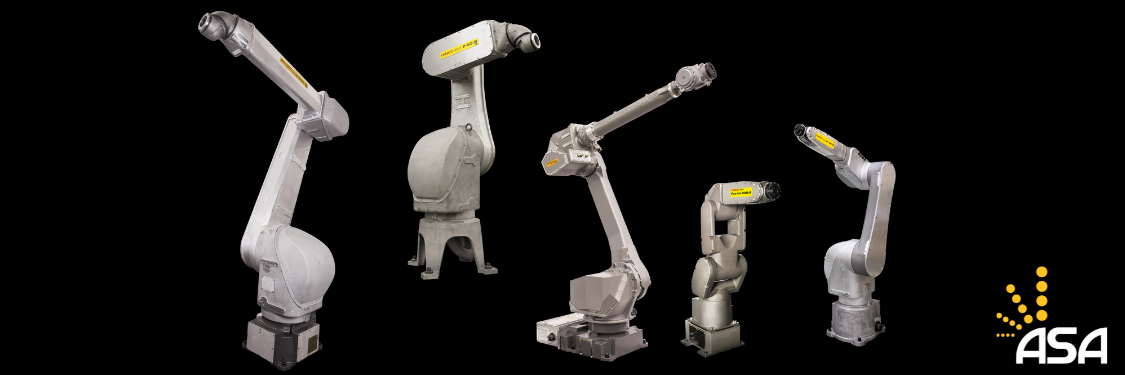
Image credit: automatedsolutions.com.au
Modern paint robots provide organized motion and programmable precision to tasks that previously depended on the operator’s technique. Automating the spray path and angle, as well as speed, eliminates numerous inconsistencies which lead to uneven film builds or excessive material usage. This creates a coating process that is reliable and promotes First Time Quality.
Consistency and efficiency are essential to the measurement of outcomes
Because of fatigue or minor differences in technique, manual painting can cause variations in coverage and thickness. Paint robots can eliminate this variability because they follow the same motion pattern in every manufacturing process. This level of repetition ensures an even surface finish and the best distribution of materials on each part.
A robot-controlled paint system can enhance the efficiency of transfer. By maintaining precise distance and orientation between applicator as well as component, the amount of overspray is decreased and more coating material is able to reach the desired surface. A reduced amount of material waste can lead to cost savings, while less emissions of volatile organic compounds aid in ensuring the environmental compliance.
Integrating fluid handling into paint robotics allows for precise mixing ratios in multi-component coatings. Inconsistencies can be eliminated which can compromise the integrity and quality of the final product. The combination of steady flow control and variable parameters allows producers to fine-tune the atomisation settings and patterns in real time, without disrupting production.
Productivity and Safer Work Environments
One of the major benefits of using painting robots is an increase in uptime. Robotic paint cells have a higher efficiency than manual operation since they work without interruption. Once they are programmed, they can ensure an unbroken flow of paint without breaks or continuous supervision.
It is essential to take into account safety when working in a facility that utilizes bi-component solvents or solvent-based coatings. Paint that is atomized could create dangerous conditions, particularly when working with materials that can be flammable or reactant. Modern paint robots are engineered for safe operation in demanding environments, helping reduce personnel exposure to harmful substances and improving workplace safety standards.
The conveyor tracking technology increases productivity further, allowing for robotic painting of components when they are moving. This feature increases the working area and helps ensure that production lines are running efficiently.
Australian Automation Expertise Supporting Industry
For manufacturers seeking to modernise their finishing operations having access to a skilled automation partners is essential. Automated Solutions in Australia has a solid reputation for providing modern robotic integration services. With extensive knowledge in automation engineering, the team functions as FANUC robotic integrators certified and assists businesses in implementing custom robotic paint solutions that match with their business goals.
Combining technical knowledge with practical experience from the field, Automated Solutions assists manufacturers in evaluating their methods and conceiving the most efficient robotic paint cells. Facilities can gain an understanding of how to improve performance by the use of simulation, collaborative planning and system integration.
The adoption of paint robots isn’t only an issue of automation. It’s about measurable enhancements to efficiency, quality and security. Paint robots that are designed correctly can transform the process of finishing surfaces into a reliable, efficient and controlled process. The support of automation specialists can assist companies in increasing their competitiveness and assure sustainable growth in a competitive market.