The wastewater lift station in municipal facilities is outdated. The pumps are nearing the end of their life expectancy and the controls are dated as well as the access hatch has damaged. The concrete wet well is structurally sound.
Do you think the station should be demolished and rebuilt? Not necessarily. The better question is whether the infrastructure in place is able to support a modern pumping system with no compromise in availability, reliability, or future capacity.
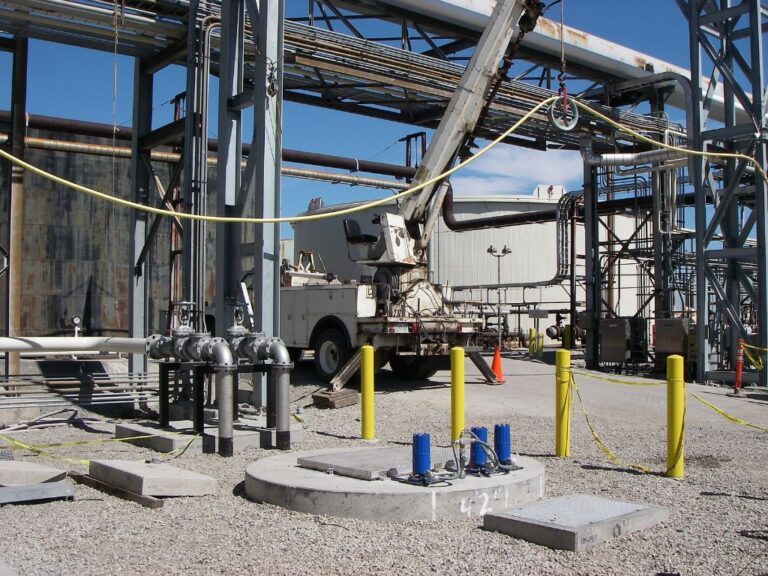
Image credit: romtecutilities.com
A carefully engineered pump station retrofit can preserve valuable infrastructure while replacing components that no longer meet operational requirements.
Begin with the Structures No One Would Like To Replace
It is expensive and disruptive to repair the wet well because it is in the ground and connected to piping and is essential for the collection of wastewater.
If the concrete structure is serviceable, retaining it may minimize excavation and construction work.
The degradation of the area around the access hatch might make this difficult. Romtec Utilities says that wet well hatches can be replaced as part of retrofits. Instead of attaching the hatch to deteriorated cement replacing the whole top layer might be a more durable option. This can increase access to the structure as well as prolong its usefulness, without having to replace the entire structure as well.
The development of the pump with more power is distinct
Imagine that the area of residence has exploded in size since the initial lift station installation. The pumps that are in place may not be adequate for the increasing flow of wastewater.
The upgrading of a pumping device could comprise higher horsepower equipment, but it is not possible to do this without considering the whole system. Pumps with greater horsepower may require modifications to discharge elbows and piping as well as electrical controls, valves, and other parts.
Engineers must also think about the hydraulic needs of the system. This is a consideration for flow as well as total dynamic pressure. If you decide to install a larger pump and do not consider these aspects, it can cause problems with operation rather than addressing these. Making plans for future expansions during the initial design phase will help you to expand later on.
Make sure that the wastewater is moving during construction.
A retrofit of a wastewater pumping station poses a challenge which normal construction projects for new equipment do not have to face: the pump station might require to be operational throughout the construction.
Contractors continue working and the wastewater will continue to flow. Depending on the project it is possible that temporary bypass pumps will be necessary to ensure service while old equipment is removed and new components are erected.
Romtec Utilities fought this kind of challenge in the Federal Law Enforcement Training Center in Brunswick, Georgia.
The project involved replacing two older wastewater lift stations while also maintaining the operation of the facility. The project was able to accommodate existing station footprints as operating requirements using customized engineering on site and modular replacement systems. This example shows why construction sequencing deserves attention prior to installation.
When replacement becomes the better Choice
Some stations are not suitable to be renovated. Sewer lift stations may need to be rebuilt for a damaged wet well or inadequate capacity for structural strength.
It is crucial that the decision made takes into account structural factors the compatibility of equipment and accessibility to construction, as well being long-term operational needs. Romtec Utilities begins retrofit and replacement projects by identifying which components will remain and which will require replacement.
The company will create specific engineering plans for the site as well as budget estimates and preliminary designs. Prefabricated components can assist in organize installation, and reduce the time spent on construction.
The Project is Not Fully Complete Until the Pumps are Started
Modern lift stations should work as a whole. Prior to returning it back for regular maintenance, start-up testing and commissioning will help ensure that the pumps, controls, as well as the equipment that is associated with them, are in accordance to the design approved.
Manuals for maintenance and operation and training of operators, are vital. Maintenance personnel should be familiar with the latest equipment and operating procedures, and the necessary documentation prior to taking responsibility for the station.
A successful retrofit helps preserve the infrastructure and addresses the limitations which required modernization.
For facility owners and municipalities, that means looking beyond the immediate repair. The best projects incorporate the latest equipment in existing structures to maintain essential service during construction. They also plan the pumping system to continue in operation for a number of years.