Many homeowners forget the importance of septic tanks risers as it comes to maintaining their septic tanks. These easy-to-use, yet essential components make it easier to gain access to the system to perform routine maintenance and inspections. Installing risers to your septic system will remove the need to dig the soil every time you need to pump. Not only will you save time, but the landscaping will also be less disturbed. Septic tank risers can also reduce the risk of accidents and injuries that could occur during maintenance activities since they provide a safe and easily accessible access point to the tank.
Effluent management is another critical aspect of maintaining a healthy septic system. The liquid waste released from the septic system in the drainfield for further treatment is known as effluent. It’s composed of bacteria, water and organic matter. The solid particles may accumulate at the bottom of the tank and create a layer of sludge. If not removed quickly, could build up and cause a obstruction in the system. It may also harm the drain field. Regularly scheduled pumping and management of effluent ensure that the septic tank operates effectively, preventing blockages and extending its lifespan.
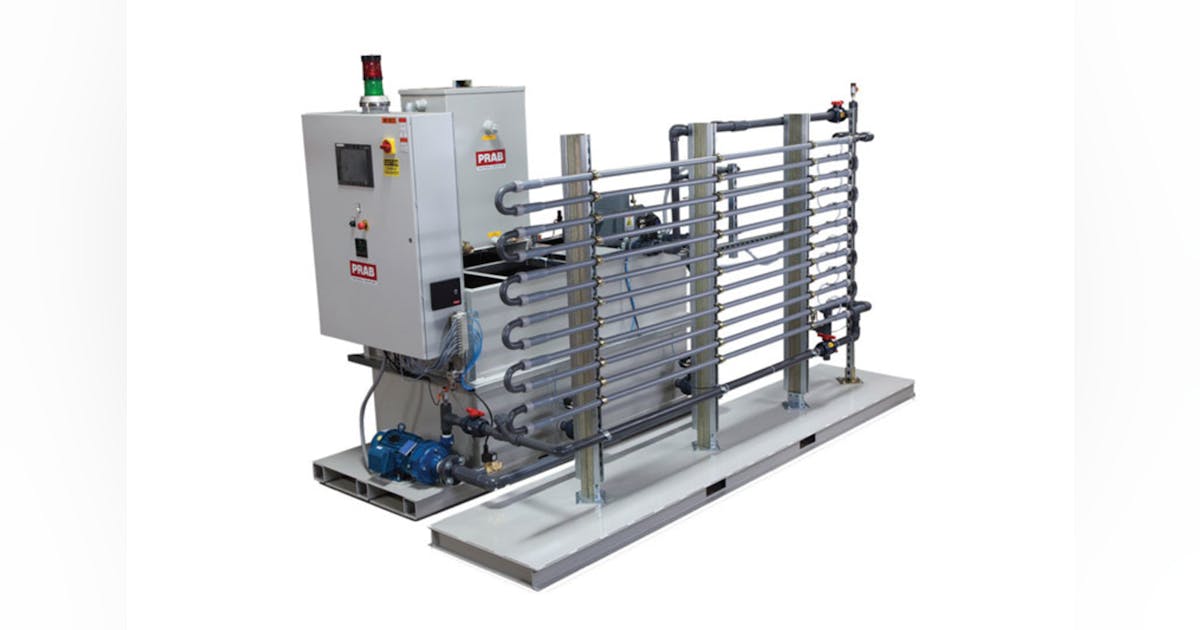
Septic systems are functional when they drain correctly. When water is discharged from your home and is absorbed into the septic tanks, it is able to go through an natural separation. Solid waste is deposited at the bottom, while oils and lighter compounds rise onto the top of the tank, forming an scum layer. The liquid residue, referred to as effluent, or wastewater exits the tank to go into the drainfield for further filtration. A well-designed drainage system allows an efficient flow of effluent and is ideal for stopping flooding and backups. It is important to keep the drainage pipes clear of roots, debris and other obstructions that can cause obstruction to the effluent. Regular inspections and maintenance of the drainage system could save you money and prevent pollution to the environment.
The right septic system for your home can have an impact over the long term on the hygiene and performance of your home. With a variety of options on the market, you need to take into consideration a variety of factors prior to making a decision. The first step is to determine the size of the septic tank in relation to the water consumption of your household and the number of occupants. If you have a huge family or frequently entertain guests, then a larger tank is needed. Take into consideration the material for the tank. Concrete, fiberglass and plastic are all common options. Each has its own advantages and disadvantages in terms of durability, cost, and maintenance. Also, make sure you are aware of the rules and specifications set by your local authorities regarding the installation of septic tanks. It’s crucial to select tanks that meet the requirements and conforms to the guidelines of any specific type.
Find a certified installer of Septic systems that can assess the property and provide recommendations based upon the topography and soil conditions. By taking note of these factors, you can choose the septic tank that best meets your needs and ensures a reliable and efficient wastewater management system.
A reliable and healthy system relies on correct maintenance and operation of septic systems in addition to efficient effluent management as well as riser installation and appropriate drainage. Septic tanks serve as the primary treatment for household waste. Management of effluent is the procedure that assures the safe disposal of treated liquid waste. Risers provide convenient access to the septic tank making maintenance work easier and more secure. A proper drainage system ensures a steady flow of effluent and prevents breakdowns in the system. If you prioritize these factors and following the regular maintenance schedule homeowners can guarantee the durability, efficiency, and environmental sustainableness of their septic systems and help ensure the safety and health of their environment for all.