The success of a park construction isn’t always determined on opening day. Five, ten, or twenty years after opening, is a great time to test the park. Do you find it easy to keep the bathroom clean? Have the materials remained in good condition despite constant use by the public and weather? Does the building look natural in the park? The most important thing to consider is: did the original design result in a building which actually works?
These questions illustrate why choosing the most appropriate designer for a park is more than comparing gorgeous renderings. Public architecture must withstand permitting, bidding construction, maintenance and the years of regular usage.
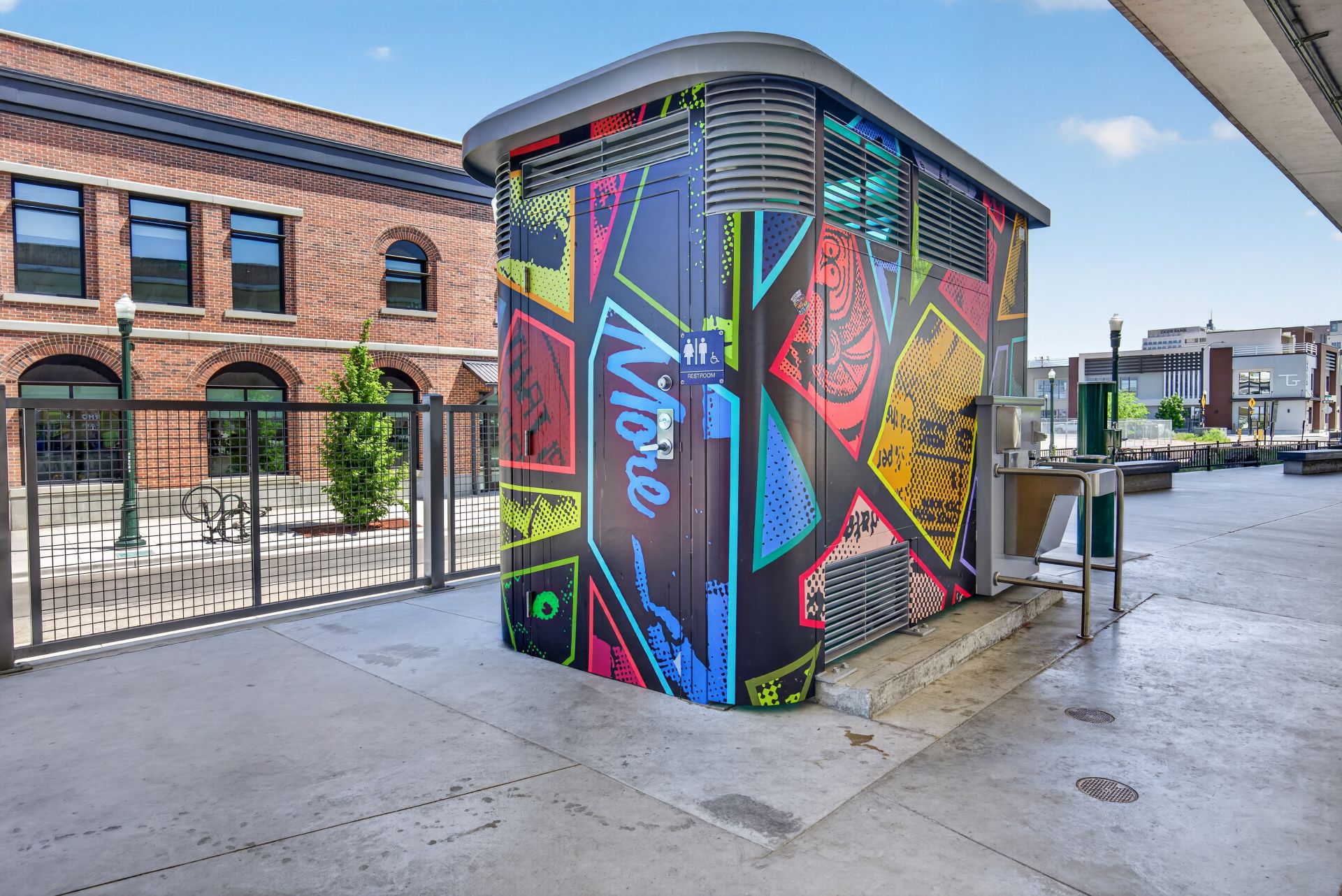
Image credit: romtec.com
Design Decisions Have Operational Consequences
Consider the exterior finish. This can affect the appearance but also the cleaning requirements, repairs expenses, weather resistance, and how graffiti can be removed. The layout of the roof can boost the aesthetic appeal of a place, while also impacting drainage and maintenance. Interior layouts influence the accessibility of the park, visitors’ circulation, cleaning routines, and the position of fixtures.
Experienced best park restroom designers therefore have to think simultaneously about architecture and operation.
Romtec collaborates with landscape architects contractors, municipalities, and other project stakeholders to design and build custom restrooms rather than limiting projects to a limited selection of standard designs. Materials, shapes, and hues can be coordinated to the surrounding landscape.
The drawing should be converted into a real building
The idea might look appealing on the screen, however it’s unlikely to build or even cost. All of these aspects are considered: construction codes, ADA regulations, local architectural review, materials available in the market, structural requirements, construction costs, etc.
Romtec provides support for projects with preliminary designs, estimates and bid drawings. We also offer specifications, renderings, and engineered plans as well. This involvement helps to carry the idea of architecture from early planning through procurement and construction.
This middle portion of the project should be considered by the owners when choosing the most suitable park bathroom builder. Unrealistic specifications, uninformed material choices and poor coordination could be costly in the transition between design to construction.
Infrastructure refers specifically to public restrooms.
The restrooms for the public are frequently overlooked as part of the park. Operatingly, they function more like infrastructure.
A bathroom that is crowded can accommodate visitors of all ages, including adults, children, employees, athletes tourists, maintenance staff, and those handicapped, throughout the day. In the case of a design, planners will need to think about ADA accessibility, durable surfaces and ventilation, as well as utilities, energy efficiency, vandal-resistant equipment cleaning facilities, as well as expected capacity for visitors.
A campground differs from a central park. A sports venue could be subject to high traffic during games, while a community facility may see moderate to constant daily usage. The differences in usage should affect the structure, rather than being addressed after construction.
Budgeting without planning everything out
Cost control in public construction is inevitable however that doesn’t mean you have to eliminate every feature that is unique.
Understanding the real material and construction costs in advance can help architects create better trade-offs. An item with low operational value could be converted to a stronger or functional material or an architectural feature that can be more valuable.
Romtec’s experience with restrooms, pavilions, concessions, showers, shelters and multipurpose facilities allows these discussions to take place while design concepts are still flexible.
In the end, a properly constructed park toilet will be a success since the users don’t have to be concerned about the toilet. It’s easy to access and well-designed, appropriate for its surroundings, and reliable. It is built to last. In the background is an amazingly detailed blend of engineering, design, budgeting documents, and construction planning.