Nightclubs can employ bartenders who are trained and are able to write alcohol policies down, and an experienced manager for each shift. They can appear as reassuring when they are included in the employee handbook.
Imagine a busy Saturday night, when multiple bartenders serve the same group. The floor manager has to deal with an issue, and patrons purchase drinks from multiple locations. Who has the responsibility to identify when someone is no longer a candidate for alcohol?
In the case of dram shop litigation the question may be more important than determining how many drinks were sold.
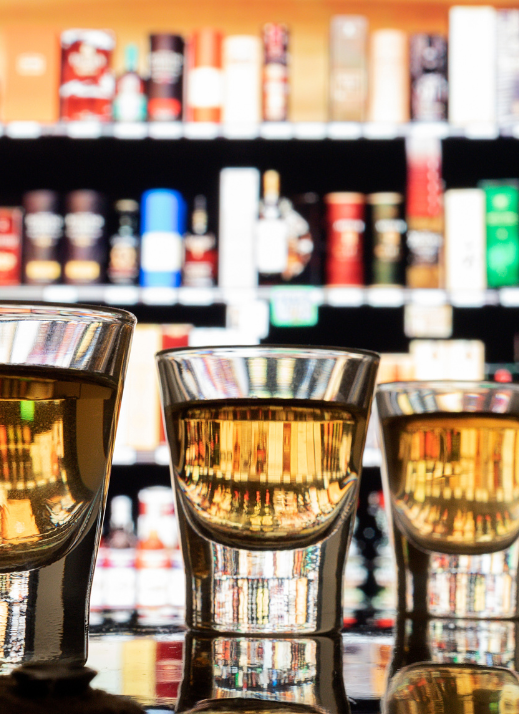
The first step in investigating overservice is to look at what the staff members could be seeing
A Dram Shop expert witness examines whether alcohol-service decisions were consistent with recognized industry practices and the circumstances employees actually encountered.
The presence of alcohol isn’t enough to establish that the bartender knew of the warning indications. The investigation must consider the manner in which the customer behaved, the timing of service, as well as employees’ observations.
Surveillance footage may show employees interacting with each or with one another, doing unusual moves or having trouble walking. The testimony of witnesses may add context to the situation even though their recollections may be differing. There is a significant distinction between the knowledge of investigators after an incident and what staff reasonably could recognize in the moment.
One Tab Doesn’t Signify One Drink
The record of the sale at the point-of-sale are helpful, but they require a background in hospitality to read. A customer can purchase several rounds of drinks for their friends. There could be multiple people involved in a bottle-service transaction. Bartenders can process separate orders without knowing about the previous order of a different employee.
A Alcohol expert witness will examine the duration of transactions, alcohol consumption recorded by surveillance cameras, as well as staffing records in order to establish more comprehensive service timelines.
This type of analysis can reveal instances when employees had the chance to recognize intoxication or intervene. It can also identify that there isn’t enough evidence to determine the person who drank an alcohol drink.
The Floor is where the Training takes place.
Certifications for employees are essential, but they don’t automatically define how a facility worked during a specific shift.
The investigation could determine whether or not employees are adequately trained, whether they are aware of the procedures for intervention and if the managers have implemented policies that have been reinforced.
Preston Rideout is a seasoned hospitality professional with more than 30 years of expertise. This includes management, bartending and drink-program consulting.
Based on his professional credentials In addition, he holds 112 seller/server certificates that encompass 48 states as well as the District of Columbia.
That combination allows him to look at the training that employees received and the operational choices they had to make. Bartenders, for example, may recognize the issue, but not know how to contact management or report a denial of service. Therefore, it is essential to assess the supervisor’s capacity to supervise.
Insurance investigations might ask similar inquiries.
Expert witnesses in Liquor Liability typically answer the same operational issues for insurance companies, coverage counsel and defense attorneys. While the terms used could differ, the case is still centered around the alcohol service, employee behavior control, management oversight, as well as training.
A thorough review could include incidents reports as well as written policies. They could also comprise videos of employee schedules, employee calendars or other certification records. It’s not the expert’s duty to provide support to an individual who would like them. The expert must clarify what the data supports, describe relevant practices in the industry and accept any limitations.
Experience Explains the Decisions behind the Records
Rideout has provided testimony in alcohol-related and hospitality-related matters in 11 states, collaborating in tandem with defense and plaintiff counsel.
The analysis focuses on bars, nightclubs, restaurants, hotels, resorts, casinos, and other hospitality establishments that have alcohol services as part of the day-to-day operations. Every environment faces its own specific requirements for staffing and supervisory management.
A bartender working in a tiny dining area in a restaurant may be able to observe patrons than employees at a busy nightclub’s service station. Understanding these differences can help you to put the evidence within the correct context of operation.
The credibility of a person’s opinion isn’t filled with assumptions
Dram shop laws vary by regions. Expert statements from operational experts is not a substitute for a legal determination. The most thorough analysis will explain the actions of employees, what recognized service practices called for, and the conclusions the available evidence confirms.
Sometimes records show a deviation from established procedures. Sometimes, the records reveal that employees followed proper procedures or left important questions unanswered.
It is crucial to differentiate between the two when in evaluating claims involving alcohol. A professional opinion is more than a summary of the incident. It helps the court understand the decisions being made inside the establishment prior to knowing the outcome of the night.