Better medical imaging is often associated with higher-quality images. In actuality, radiology is more purposeful than the other. The crucial question is whether a test provides the required information to treat an individual medical condition.
For example, a person with a suspicion of joint issue poses a different diagnostic question as compared to someone who is undergoing prostate or breast imaging. Modern radiology tackles these distinctions through a range of imaging techniques rather than having one scanner to cover each situation.
Patients can access a wide selection of diagnostic procedures and imaging-guided procedures in the Wolfsburg Diagnostic Center.
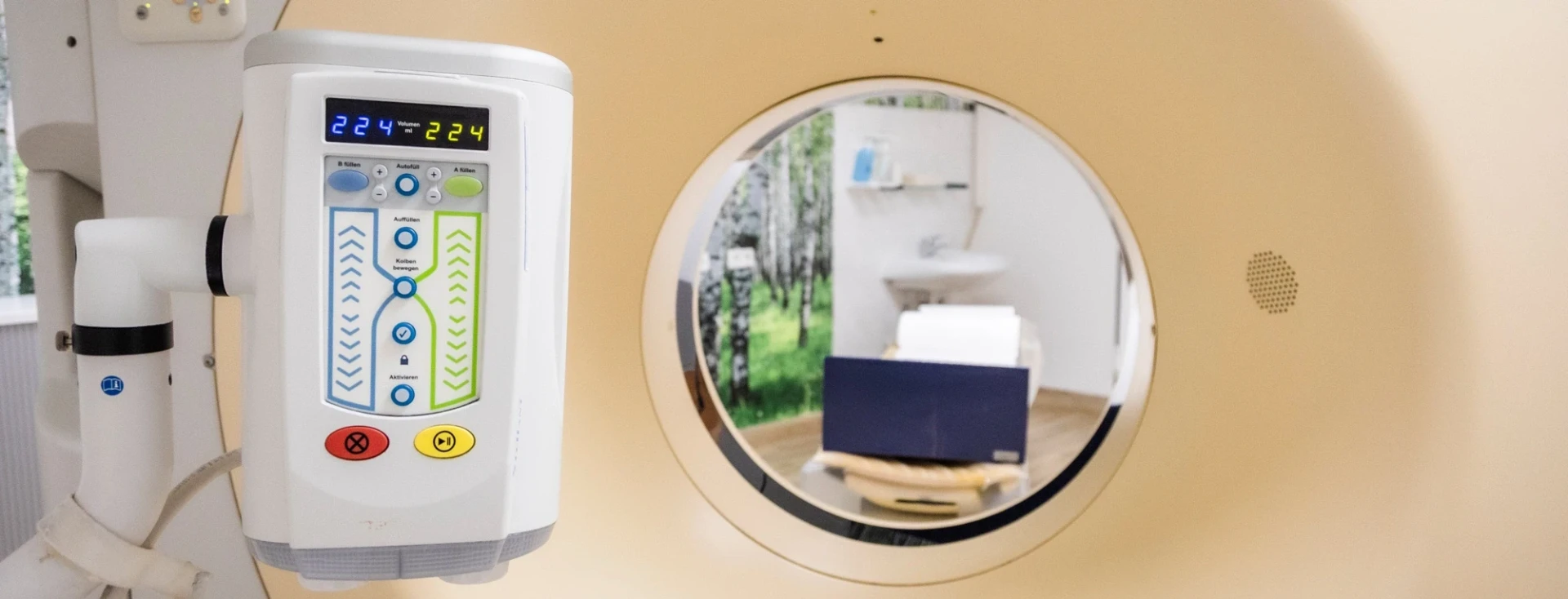
Image credit: diagnostikzentrum-wolfsburg.de
Different Parts of the Body Reveal Themselves Differently
The appearance of soft tissue, bones organs, joints, and other tissues will be different based on the imaging method used.
Magnetic resonance imaging is useful for obtaining detailed images of soft tissues. The Wolfsburg Diagnostic Center operates two modern 1.5 Tesla MRI scanners and performs examinations of areas including the spine, brain internal organs, joints and soft tissues.
MRI is not a method of X-rays. If medically warranted the center may also offer more specific examinations such as prostate MRI or whole-body MRI.
It is crucial to keep in mind that the word “MRI” refers to the technology, isn’t the same as the question being asked by the patient.
CT Provides a Different View
The role of CT in diagnosing medical conditions is distinct. CT utilizes X-rays to produce precise cross-sectional pictures of the body. Low-dose technology is utilized at the Wolfsburg Diagnosis Center to decrease radiation while preserving the quality of the images.
The appropriate imaging method is determined according to the specific clinical situation. There is no requirement that a higher quality image means it is better.
Digital X-Rays Remain Relevant
MRI and CT receive a lot of attention. Traditional X-rays may sound outdated. Digital X-rays of today tell a different story.
Digital systems are still an accurate method to look at the skeletal system. Modern equipment uses high-resolution images and techniques to reduce radiation exposure.
The most recent technologies are not just replacing old methods but are also increasing the possibilities for radiologists.
Breast Imaging Can Benefit a Focused Method
Breast diagnostics is another type of specialized imaging. The center provides ultrasound of the breast, 3D mammography (or tomosynthesis) and mammography. These technologies may provide a variety of types of information based on the specific patient’s medical conditions.
Radiology is founded on the same idea of understanding the subject matter that needs to be determined is crucial for effective imaging.
Imaging can aid in the treatment
Radiology doesn’t stop at identifying and evaluating abnormalities. The Wolfsburg Diagnostic Center offers CT-guided Periradicular Therapy (PRT) in which CT imaging is used to guide the procedure. Another treatment is low-dose radiotherapy.
These examples show how image technology is able to extend beyond observation and may play a significant role in providing precise medical care.
Accurately asking questions with focus
Modern diagnostic centers aren’t defined solely by how many machines it operates. Its value comes from the application of technology to a defined medical issue, and having experts interpret the results. To learn more CT Wolfsburg
Patients can have direct access to specialist medical care as well as a range of radiological exams during private consultation times.
It’s more than just making more pictures. It is to produce clinically useful information that can assist patients and physicians understand the medical question which is being investigated.